

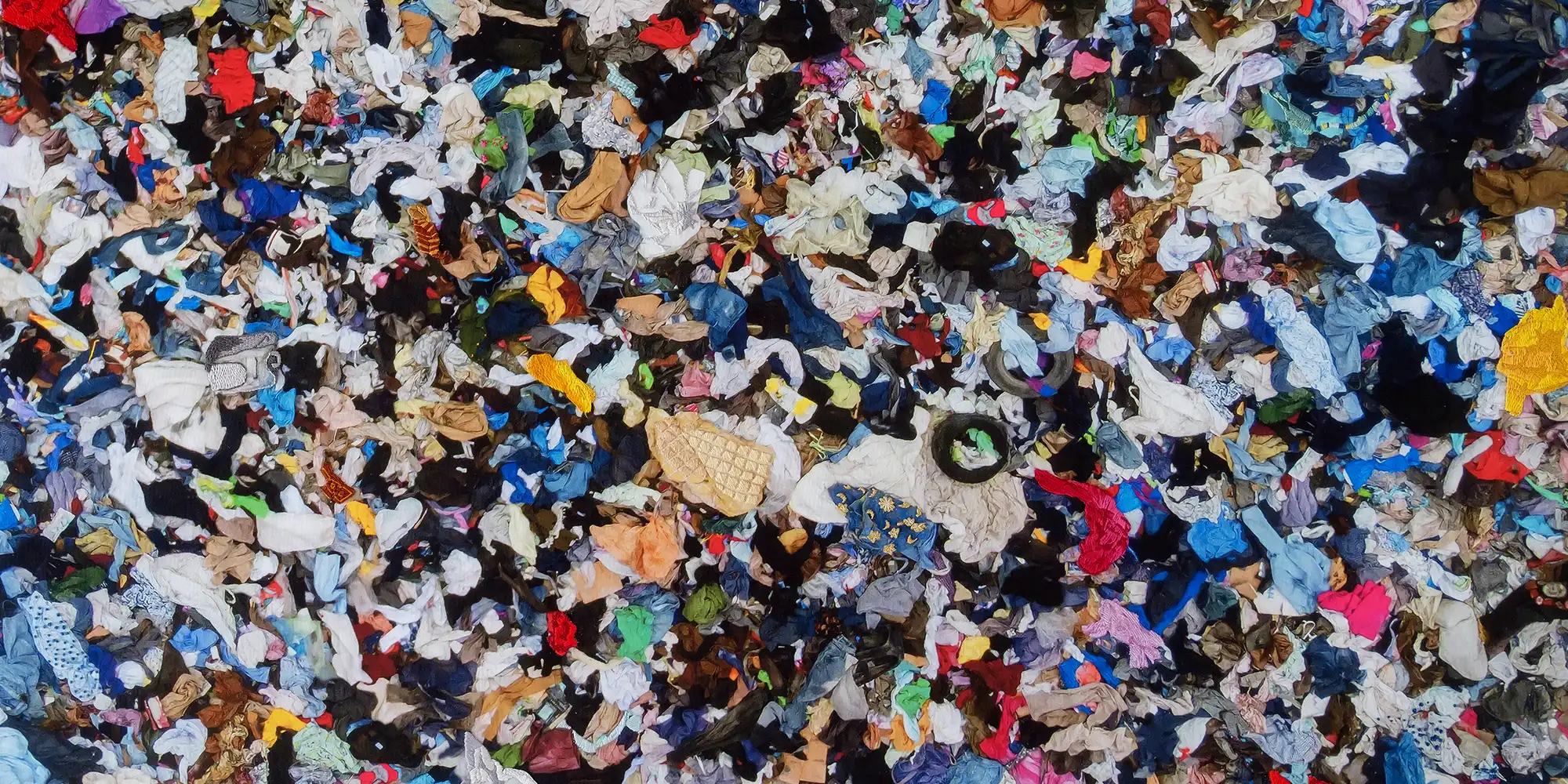
Soledad Salame, Fast Fashion Atacama I, II, III, IV, 2025. Archival print on canvas with hand work and embroidery. Panels I, III, IV: Courtesy the Artist and Goya Contemporary Gallery Panel II: Courtesy Sue Payne
Soledad Salamé: Camouflage
October 17, 2025—March 7, 2026


Exhibition Videos
Exhibition Images
Exhibition Images
Exhibition Brochure
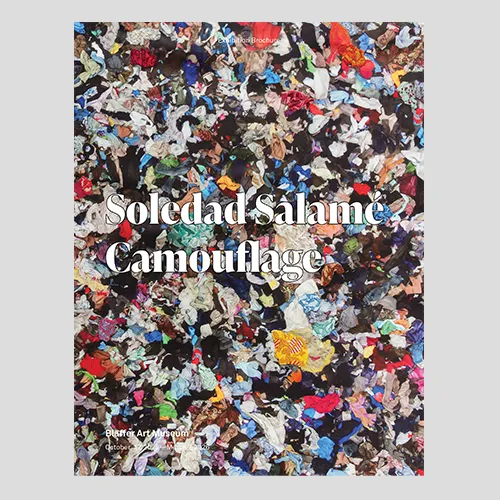
Soledad Salamé: Camouflage | Exhibition Brochure
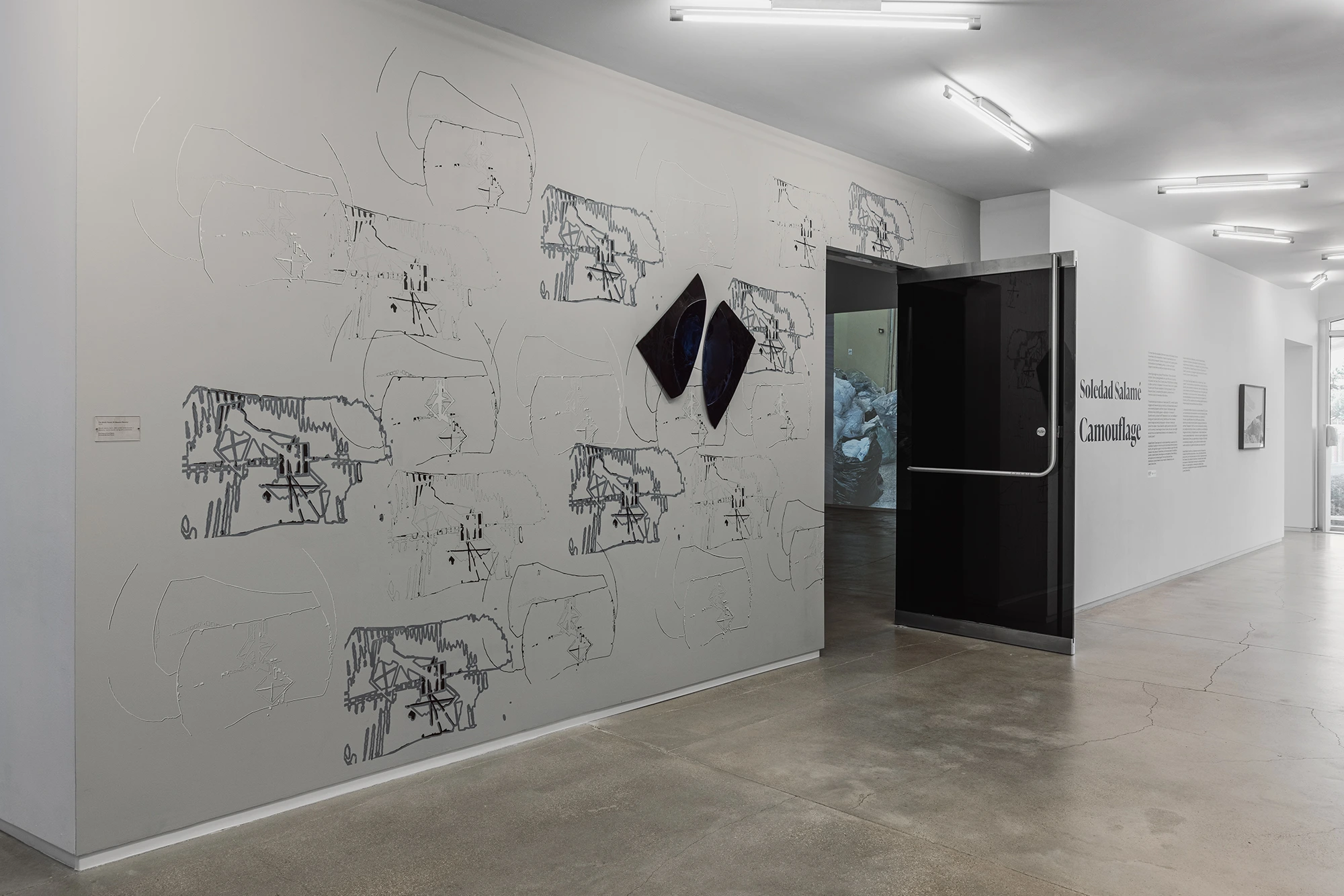
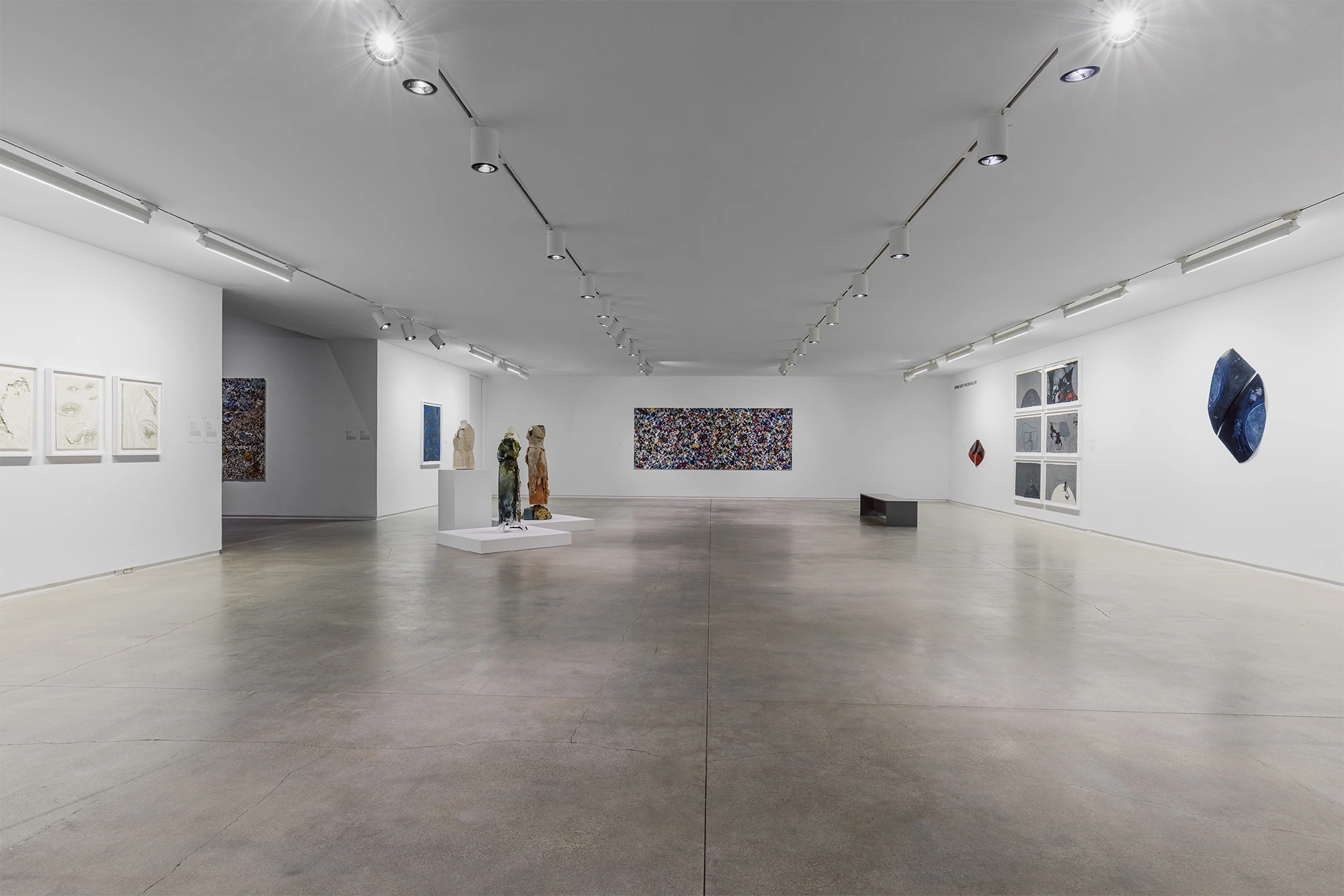
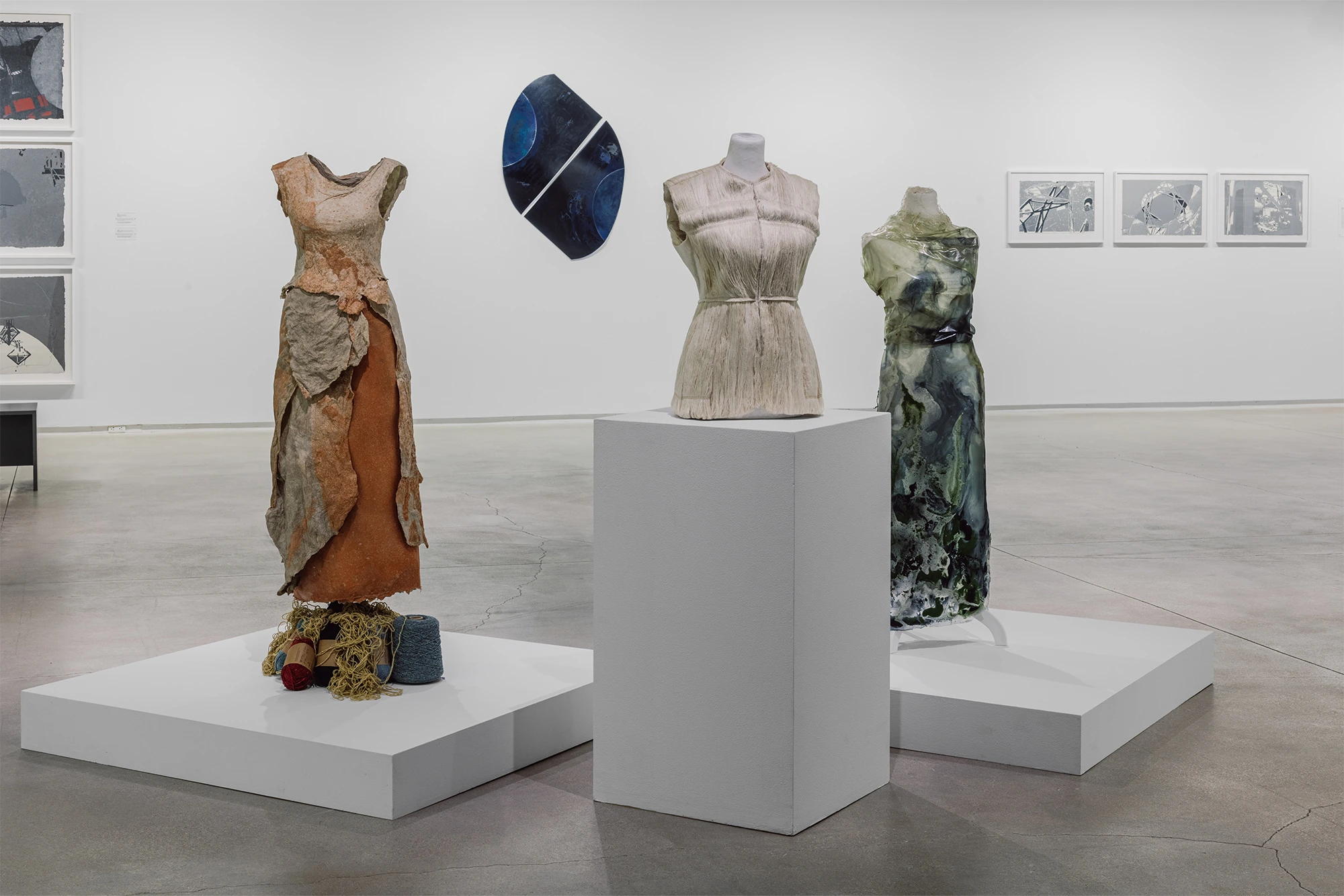
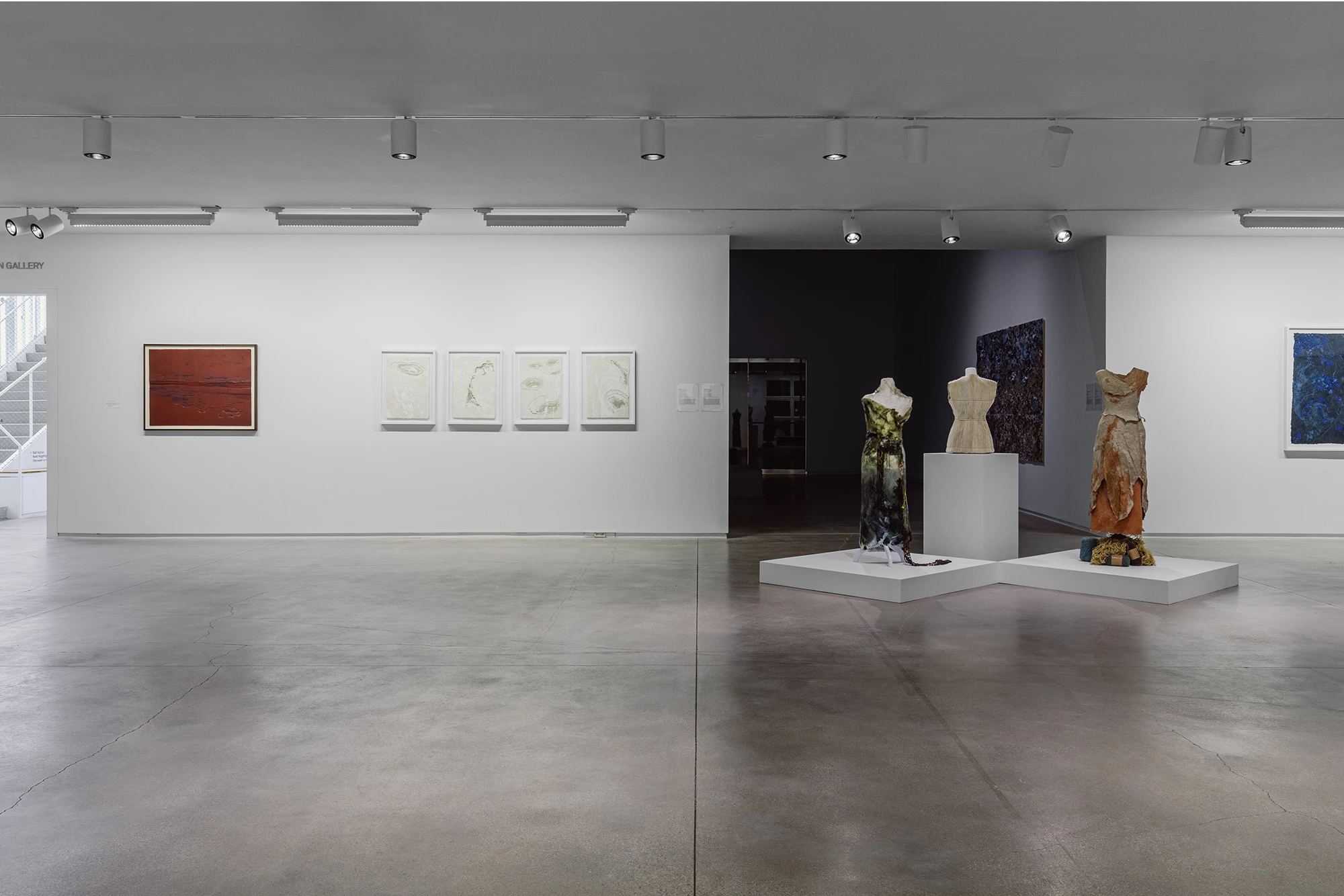
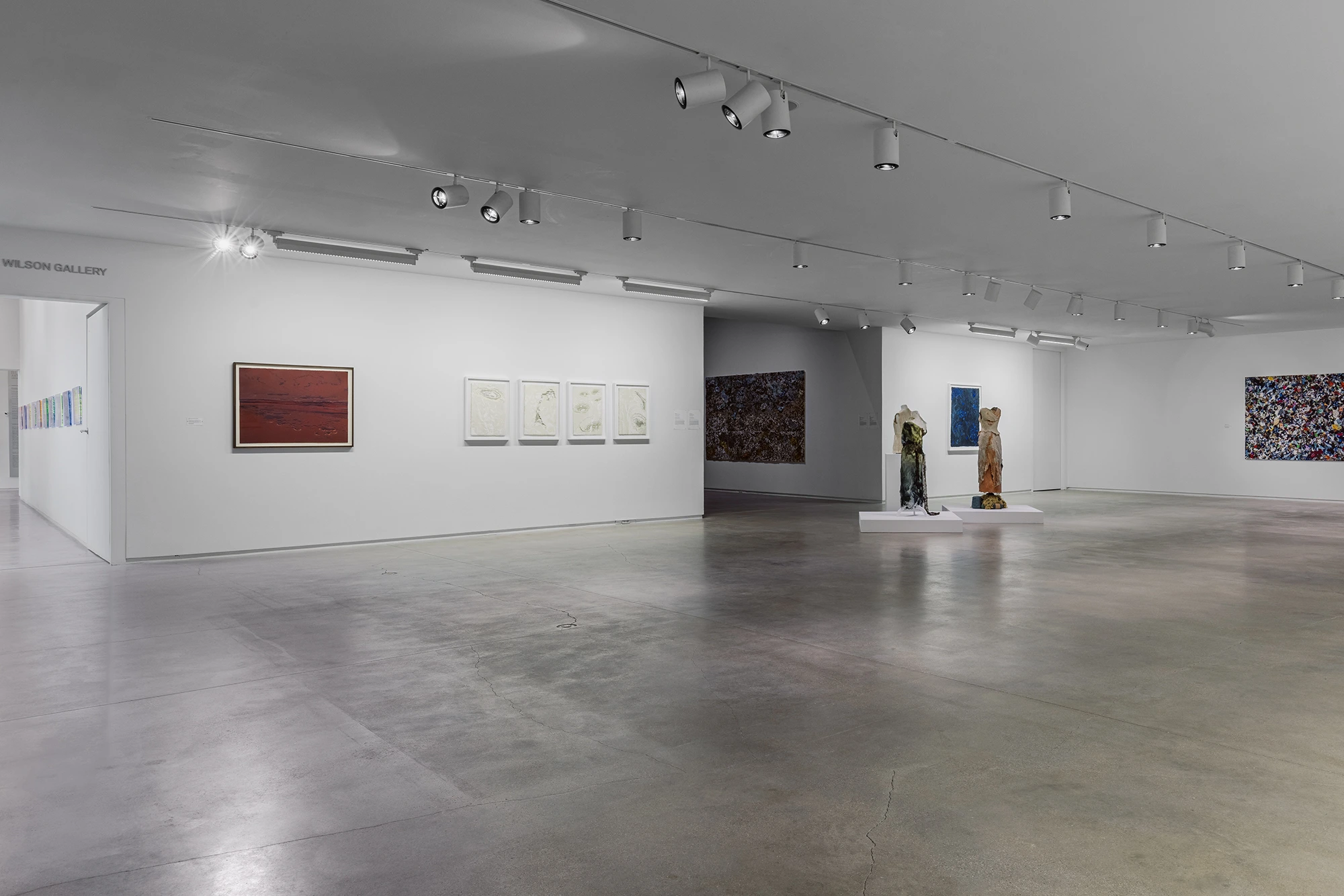
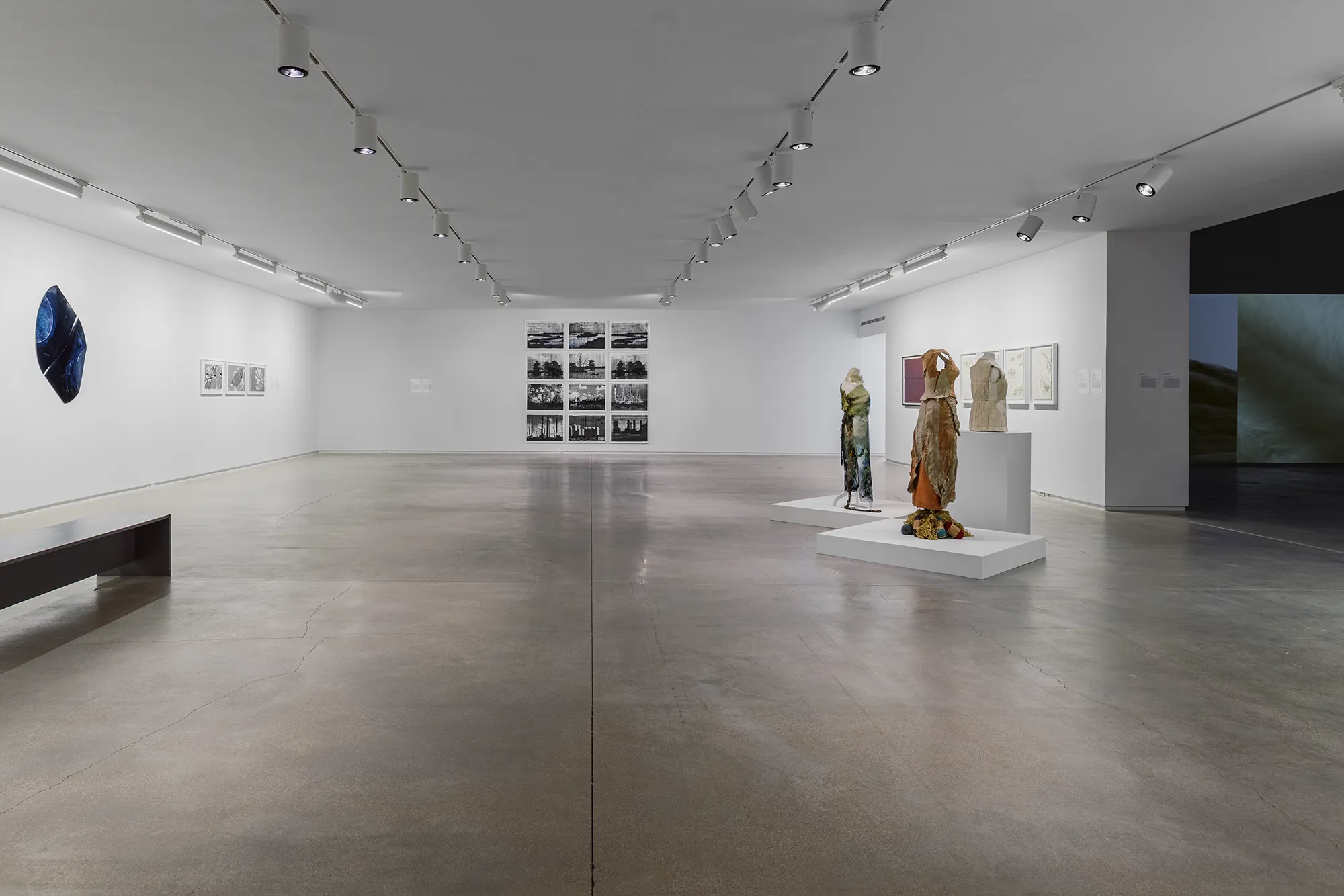
The Blaffer Art Museum is pleased to present the first U.S.-museum solo exhibition of work by Soledad Salamé. Soledad Salamé: Camouflage considers the interrelationships between industry, innovation, and social responsibility: Salamé’s work is profoundly interdisciplinary, both in her research methodology and her material approach.
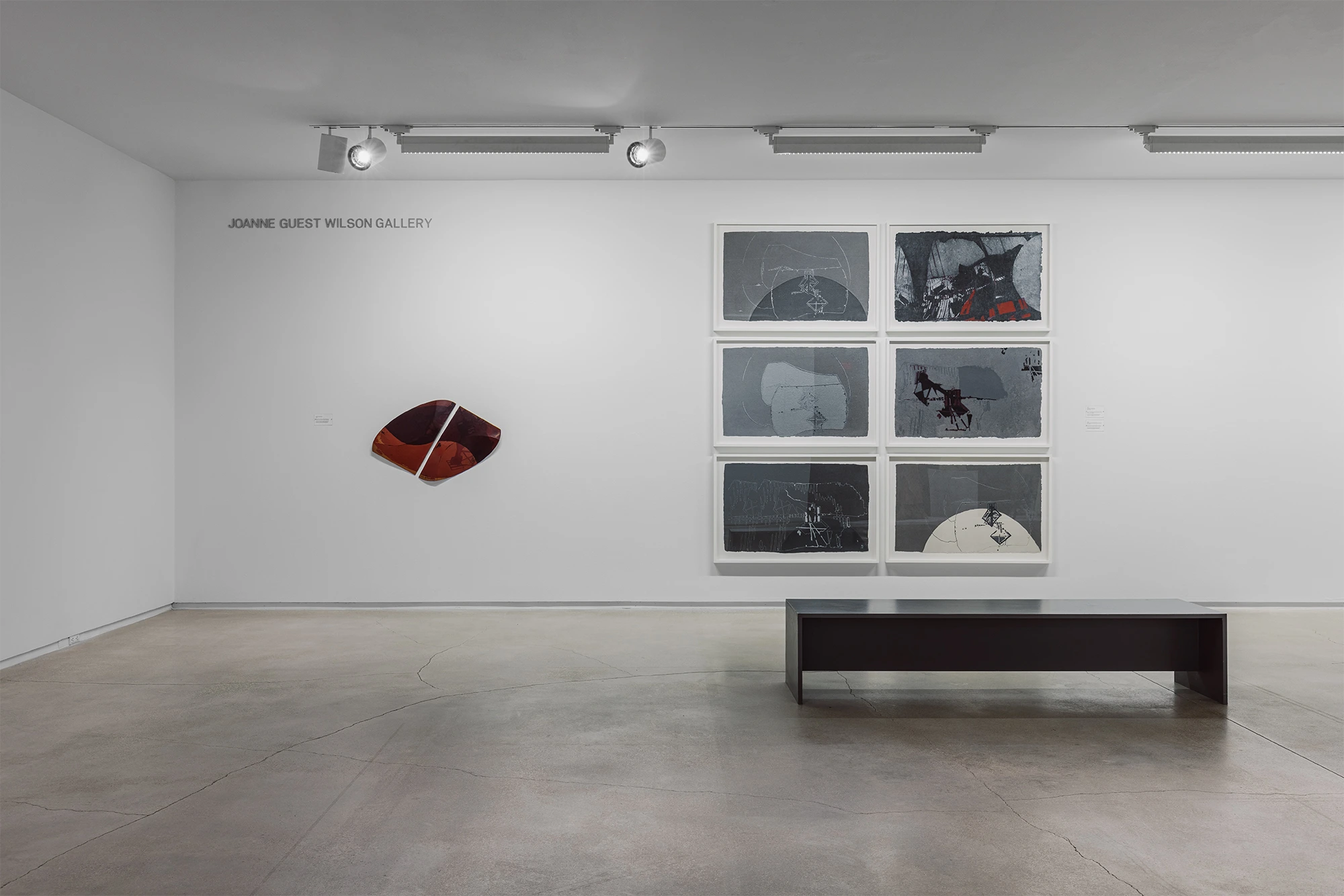
Born in Chile, Salamé’s early training in Venezuela centered printmaking; the discipline remains integral to the development of her ideas. Moving to the U.S. in the early 1980s, Salamé was drawn to the country’s relationship with technology, particularly in space travel. In this exhibition, several bodies of work look at satellite technology to consider not only our relationship with space, but also our detachment from the Earth as we commit to industries that have irreversible impacts upon our shared environments.
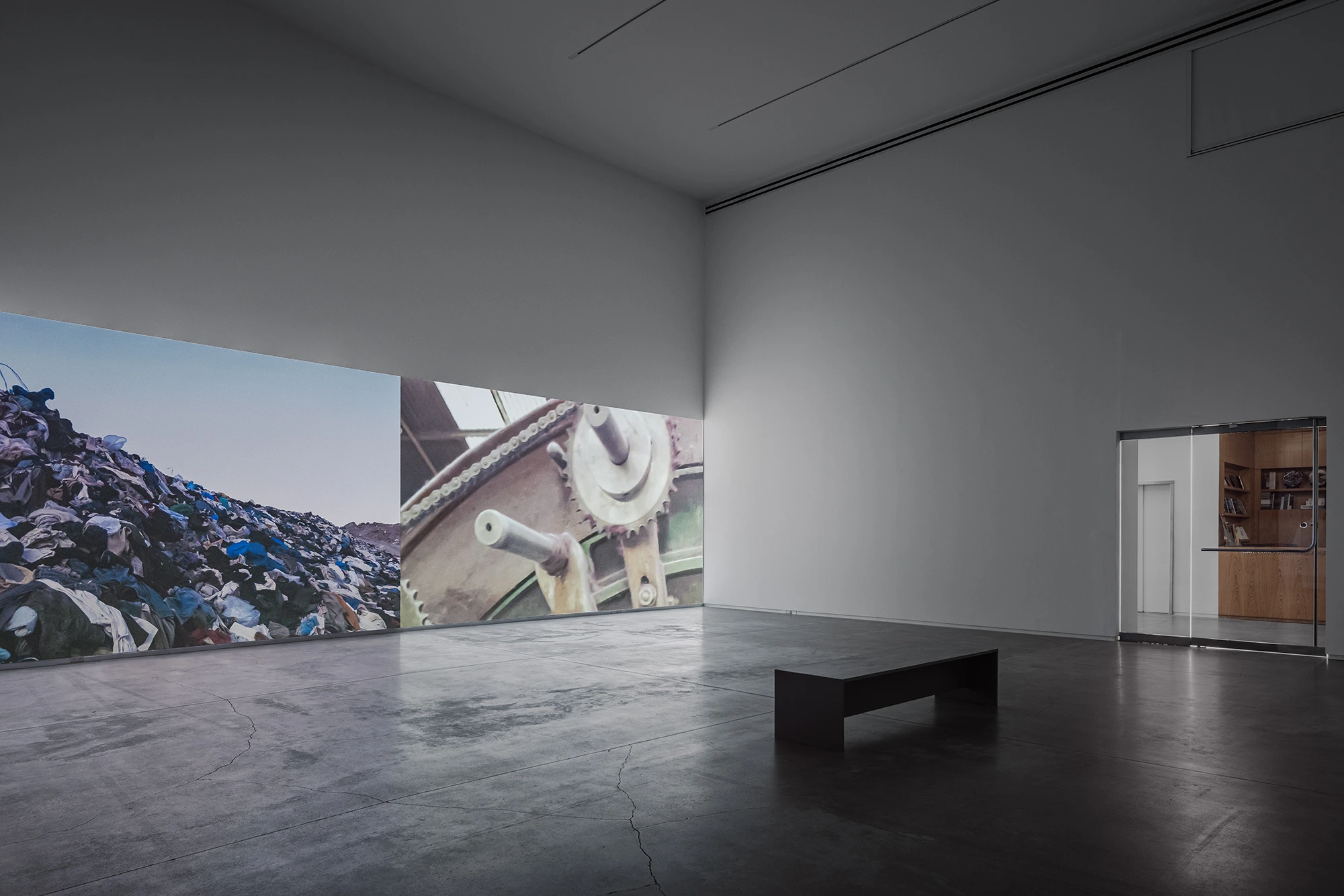
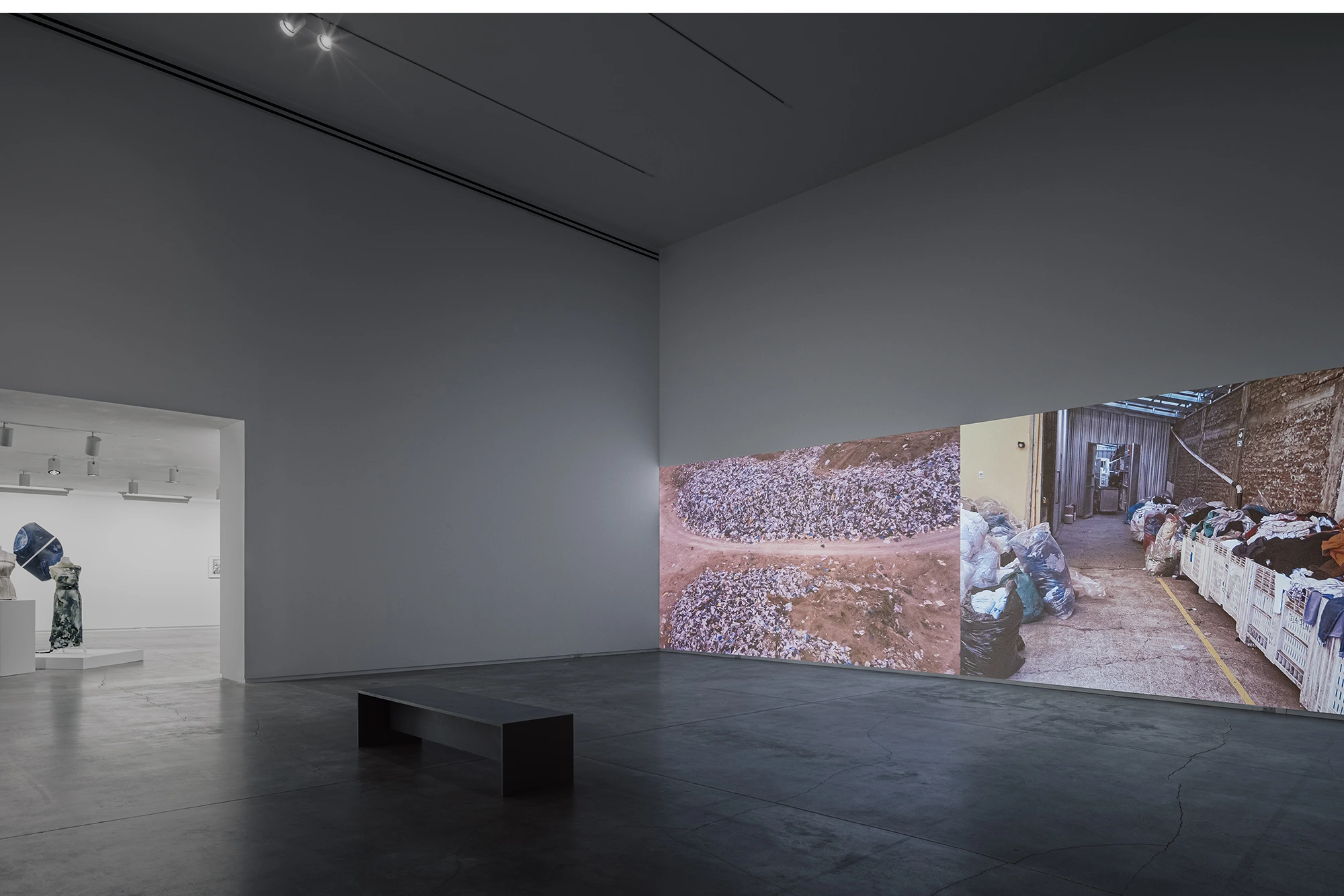
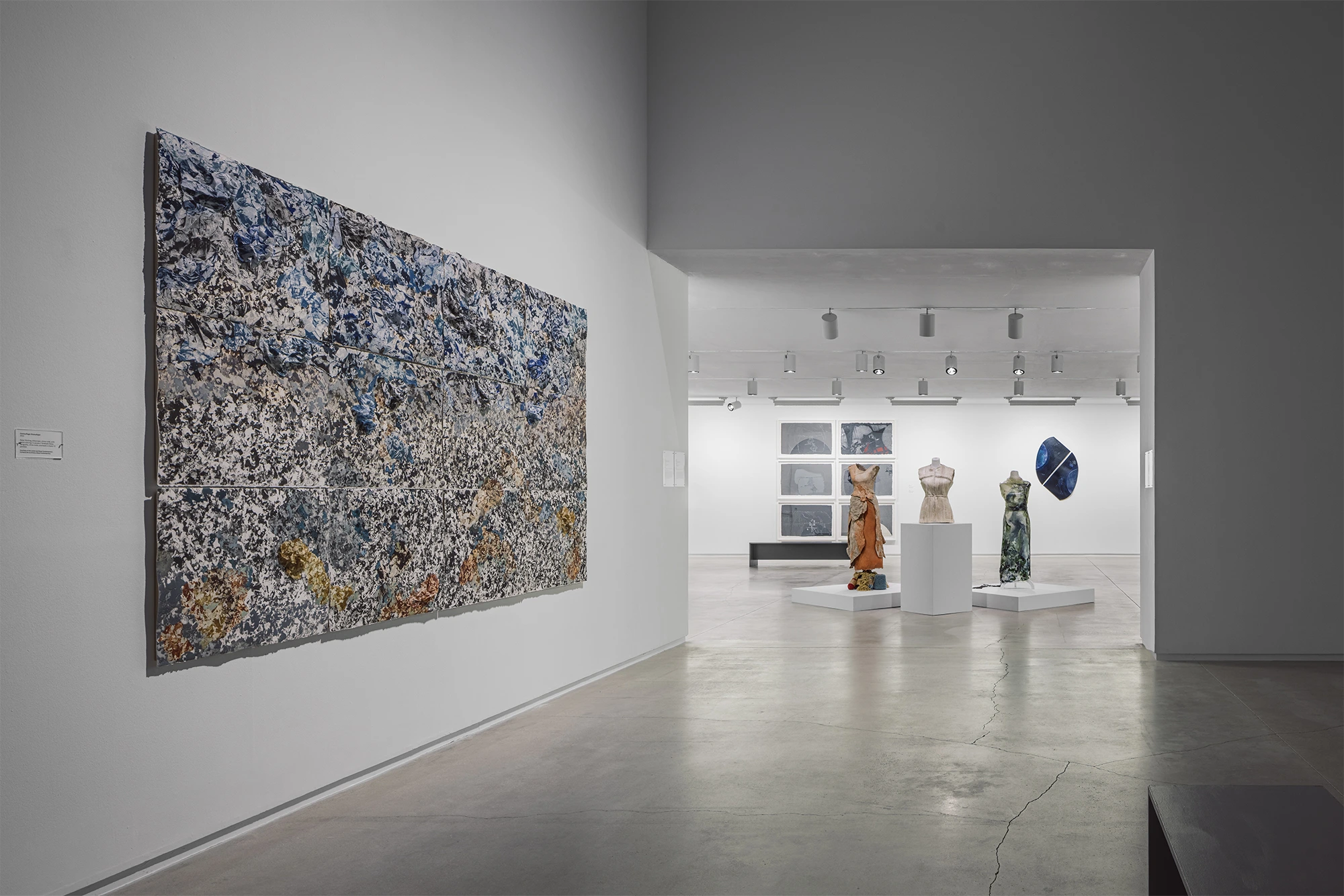
In her travels to the Atacama Desert, Salamé has studied the dumping of discarded clothing waste. From its environmental impact to its human implications—which for Salamé are never separate—these clothing dumps become dizzying visual fields. To abstract them, Salamé extends long histories of Latin American Abstraction, as it emerges in tension with unfolding political contexts. In the end, her proposal for how we see the world around us tell us as much about her commitment to the natural environment as to her engagements with form, color, and diverse mediums.
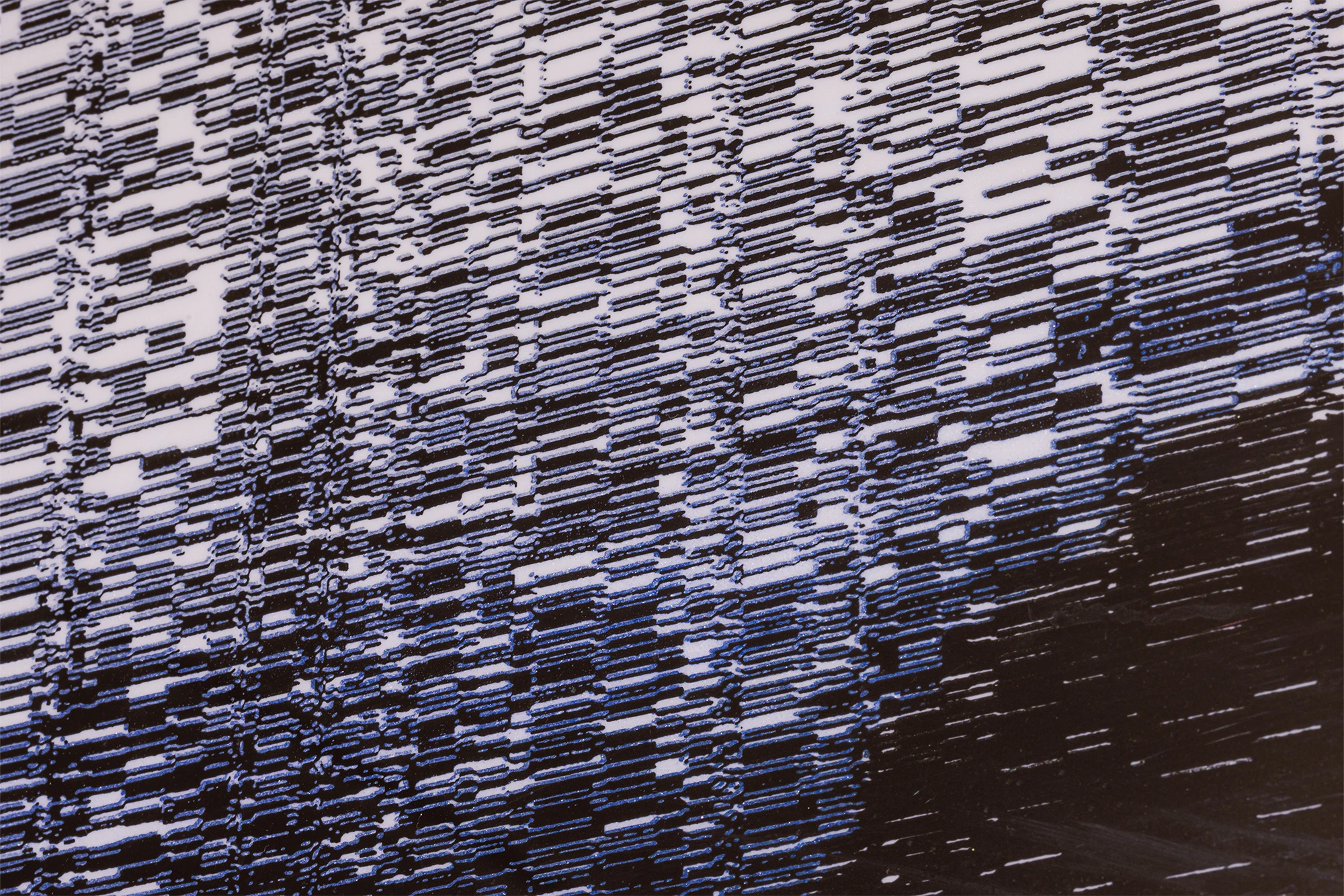
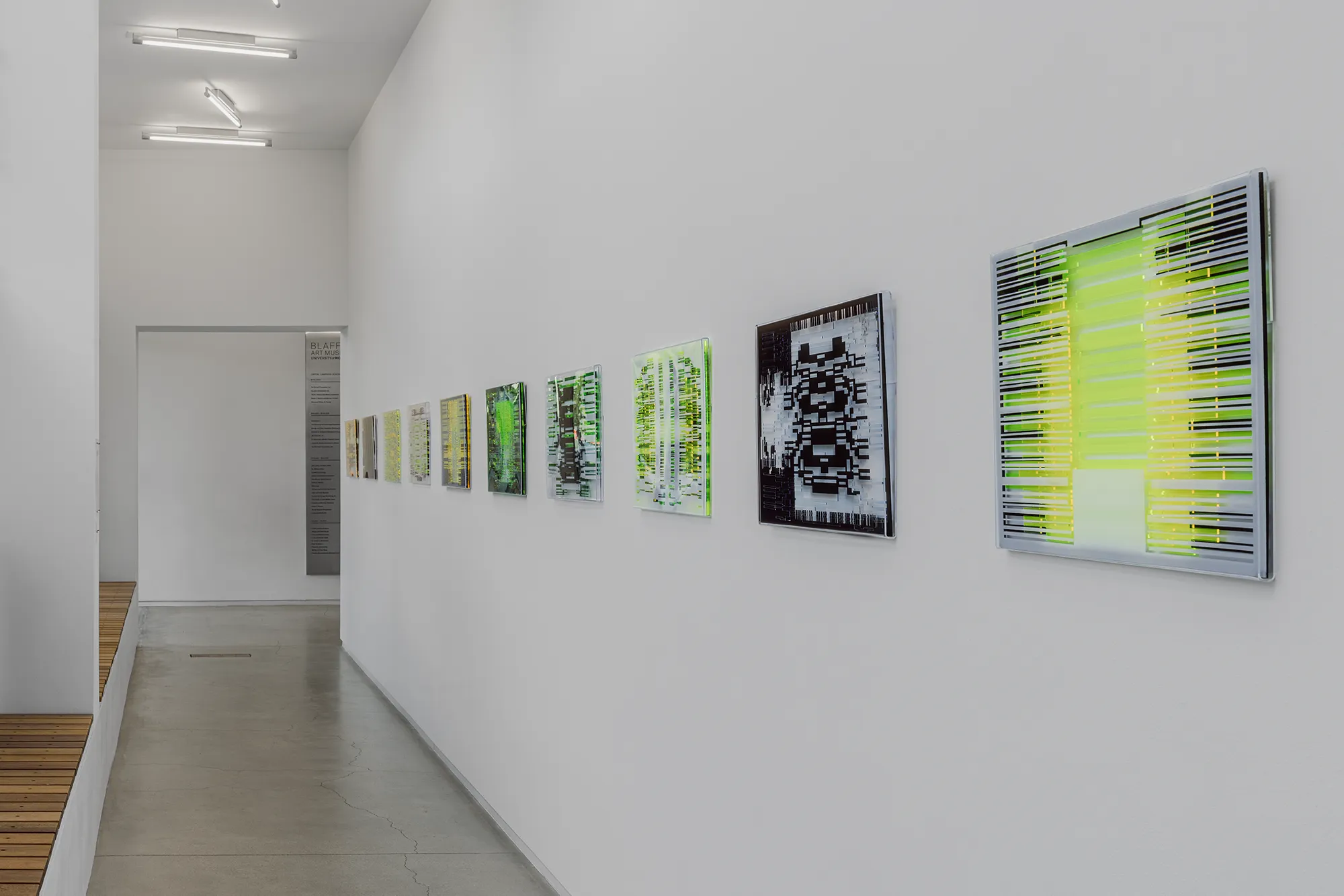
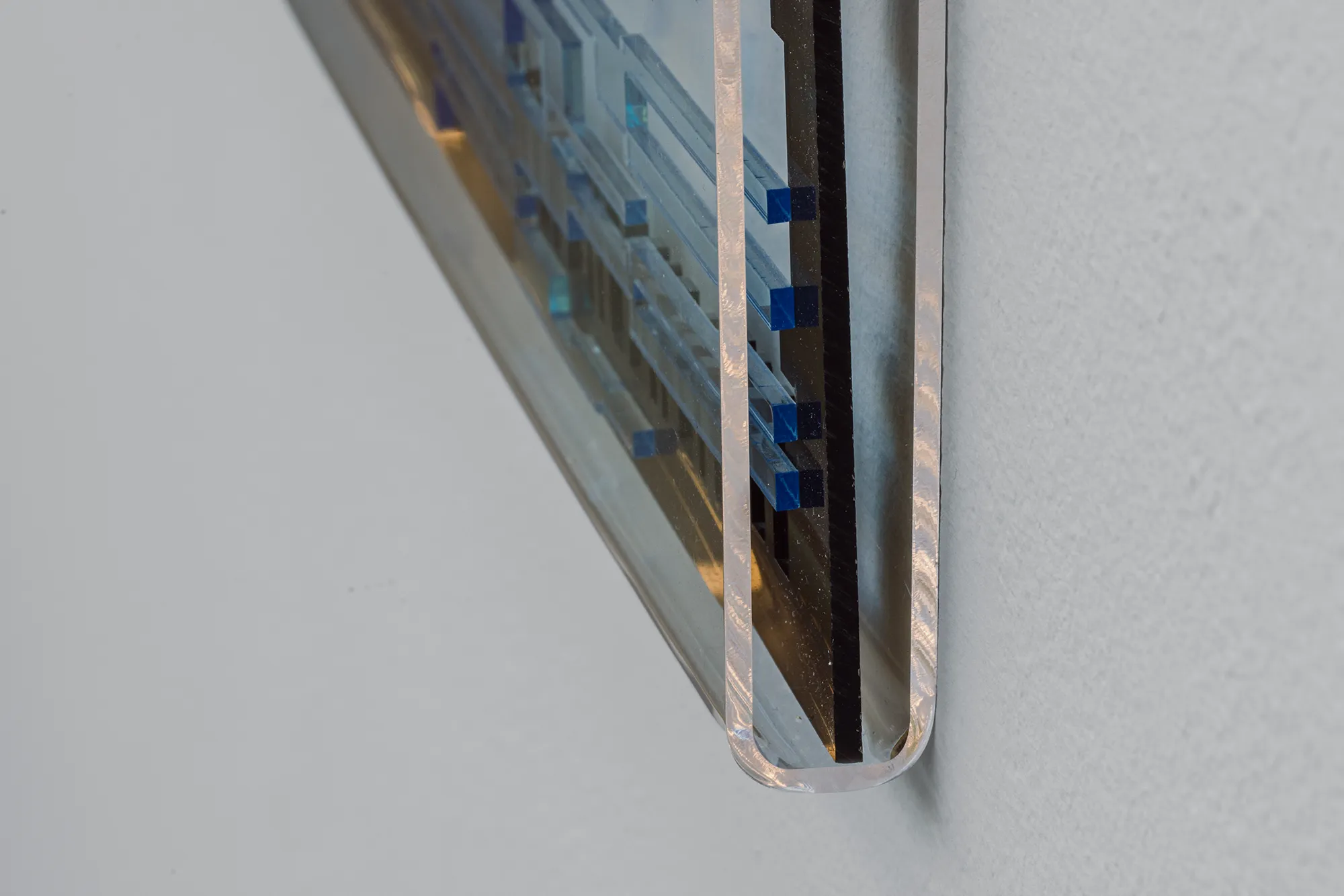
In the end, Salamé’s vision is one that has much to say to Houston and the Gulf Coast region. On view for the first time in Houston, her Gulf Distortions epitomizes the local overlap between industry and ecosystem, and the ways in which she understands our human impact upon the planet. That work, marked by intentional technological glitches, is responsive and predictive: by breaking the formal image Salamé reminds us that glitches can also be agents of change, of new visions, and of better futures.