
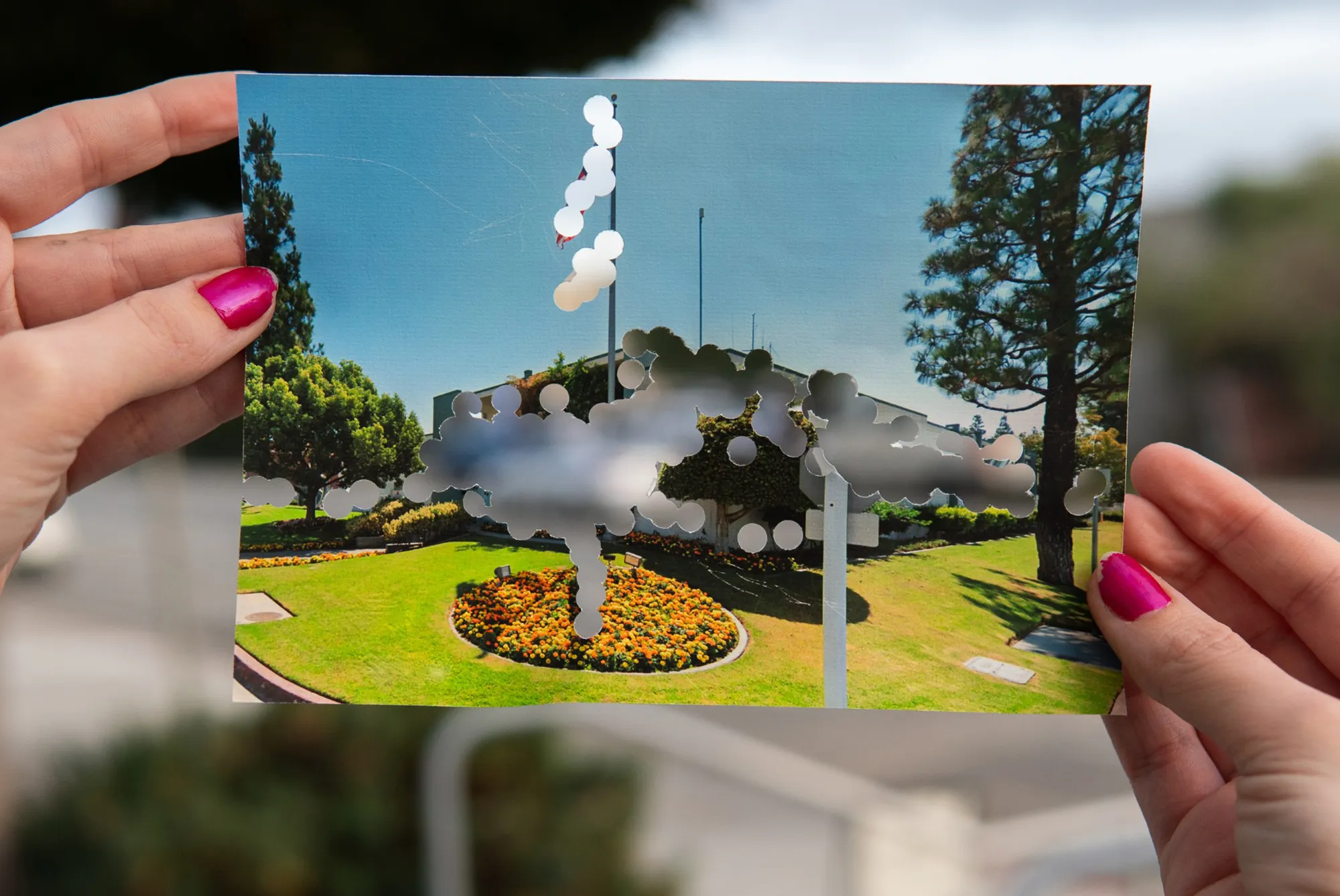
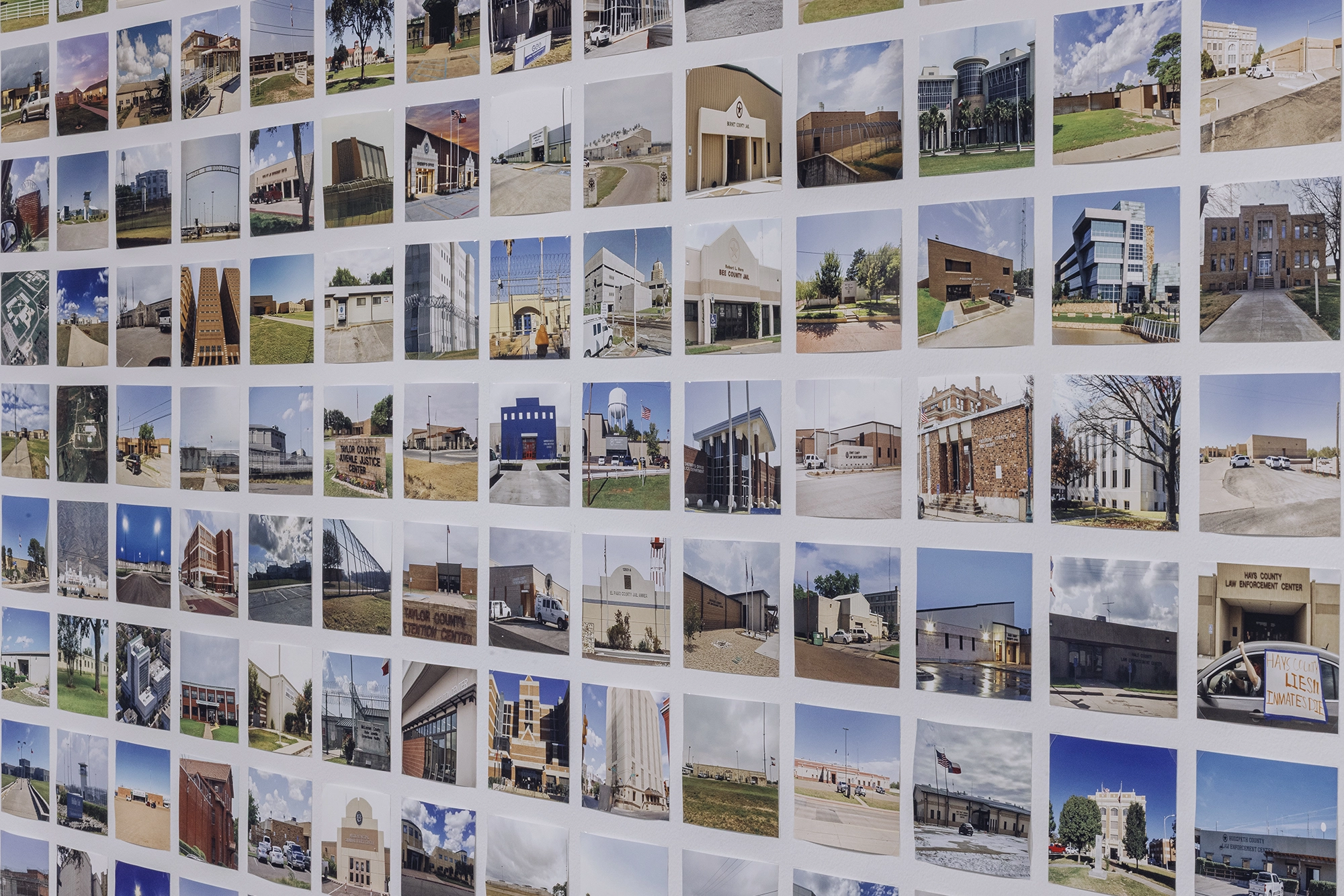
Maria Gaspar, Disappearance Jail (California), 2022.
Maria Gaspar:
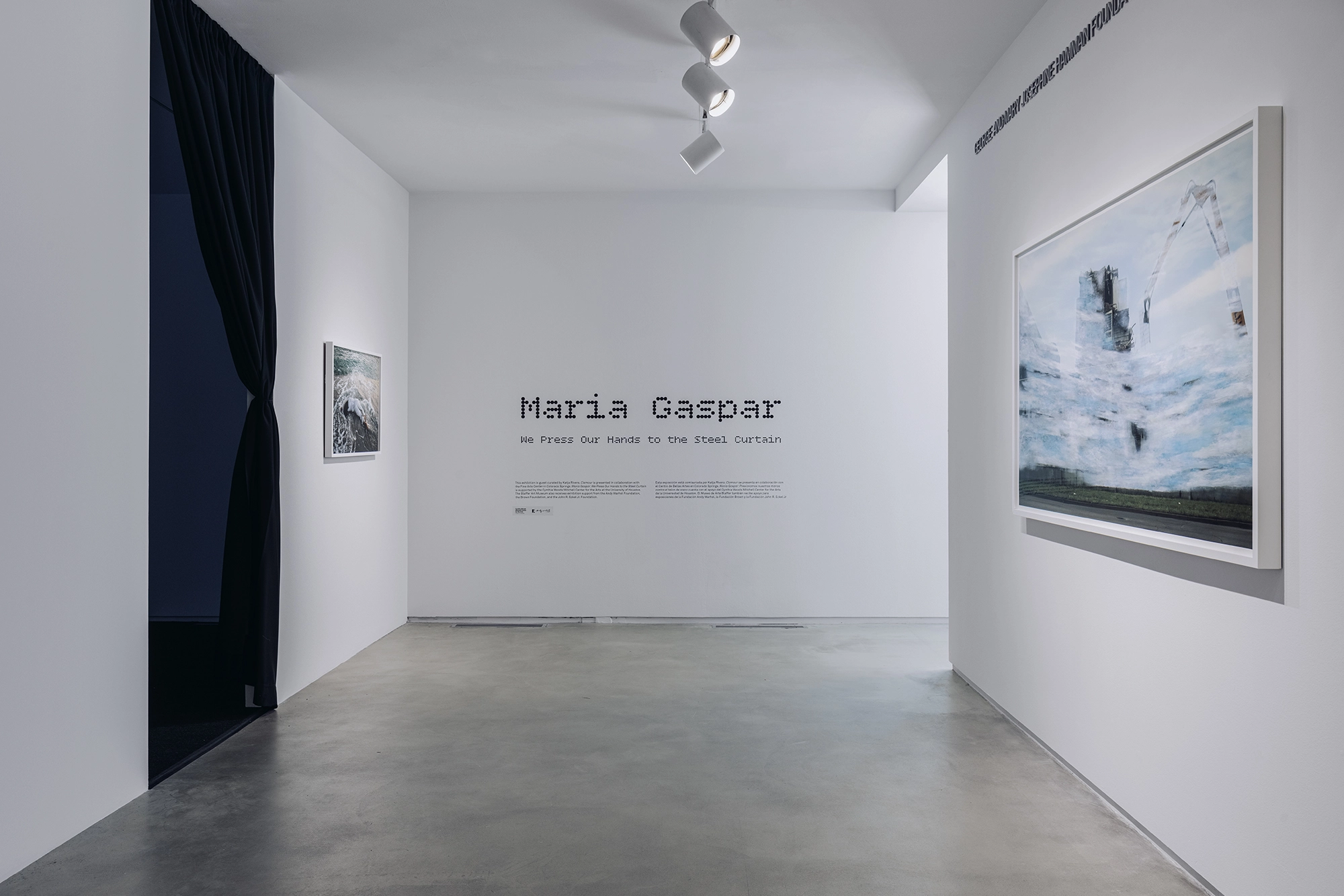
We Press Our Hands to the Steel Curtain
August 22, 2026—November 21, 2026

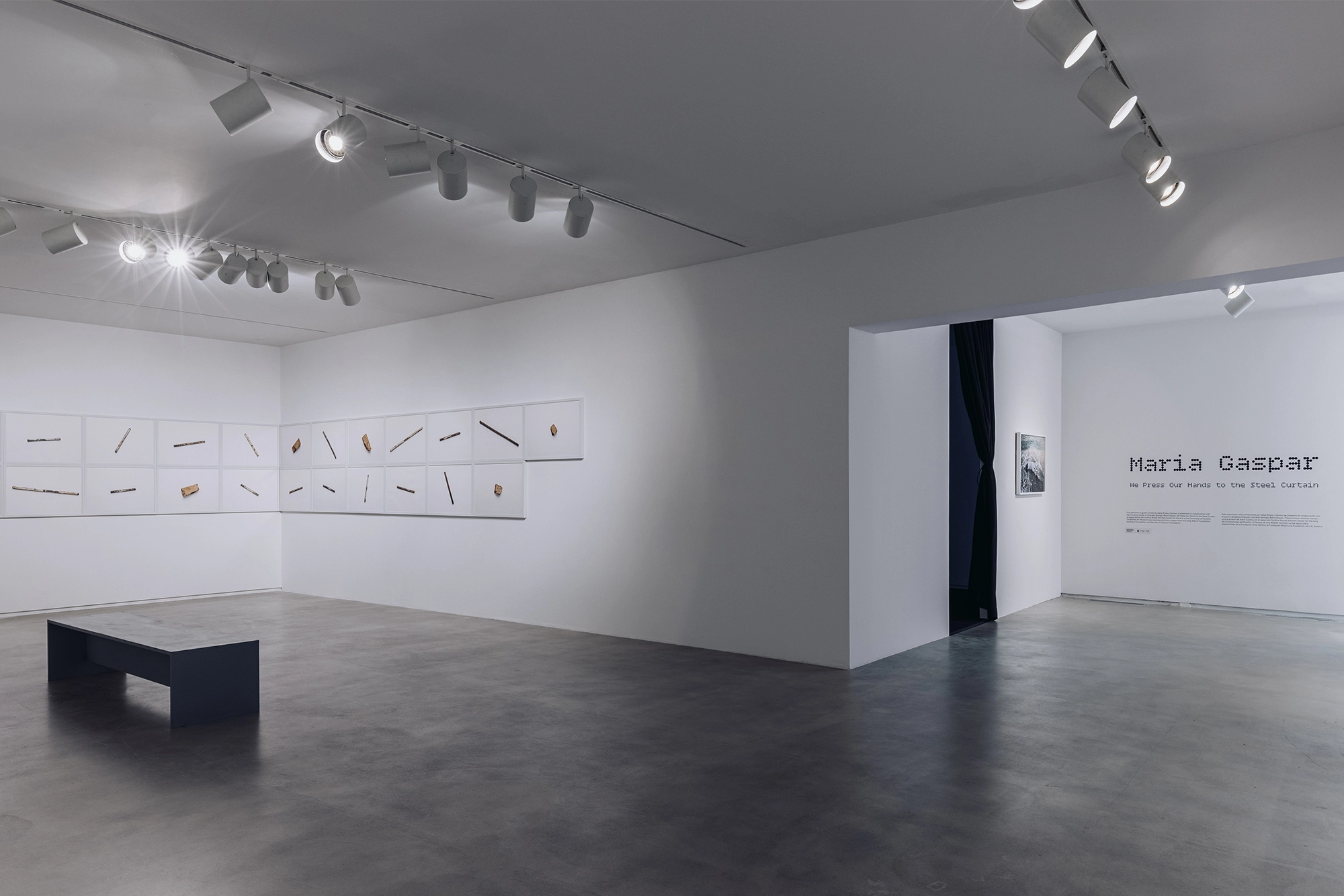
Maria Gaspar’s art, research, and activism engage with jails and prisons—their history, architecture, logic, psychology, and time. For the past two decades, Gaspar has focused on Cook County Correctional Facility, located in the Chicago neighborhood of Little Village, where she grew up. The largest single-site jail in the United States, the facility holds an average daily population of approximately 9,000 people. Working both inside and outside of the institution, Gaspar has produced artistic interventions, workshops for detainees, public arts programming, and has used recording devices to document the jail’s architecture and its surrounding neighborhood. The result is a body of time-based works and sustained engagements that closely study correctional facilities and imagine their undoing.
We Press Our Hands to the Steel Curtain brings together recent work that demonstrates how Gaspar engages with these carceral spaces, deploying time both as a tactic and material. The title is adapted from a line in Gloria Anzaldúa’s poem and essay “The Homeland, Aztlán/El otro México.” In dialogue with Anzaldúa’s writing, Gaspar sees walls as structures which shape psychic, social, and cultural terrains. Pressing hands might evoke healing or resistance: in either case, the gesture is dynamic and temporal.
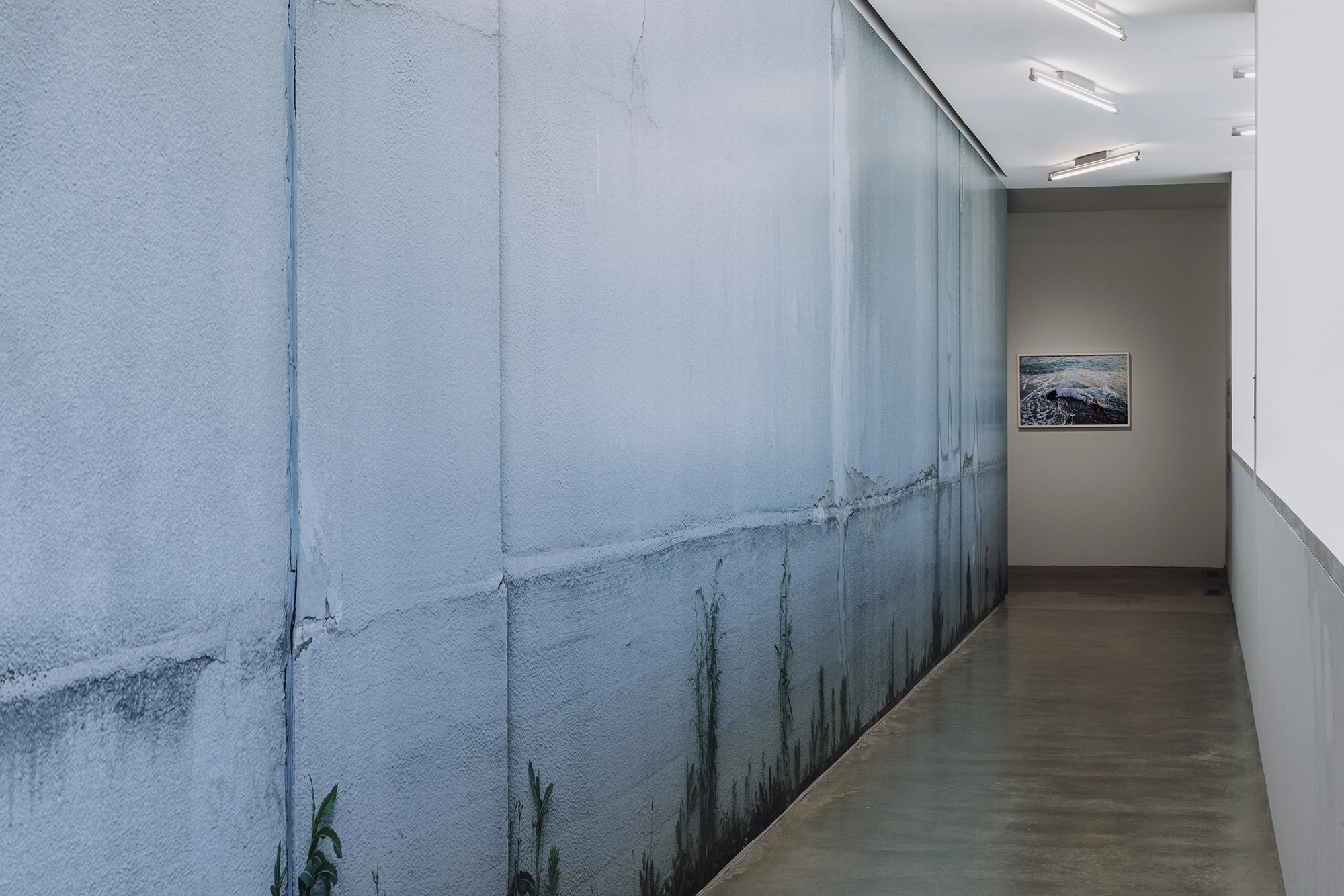
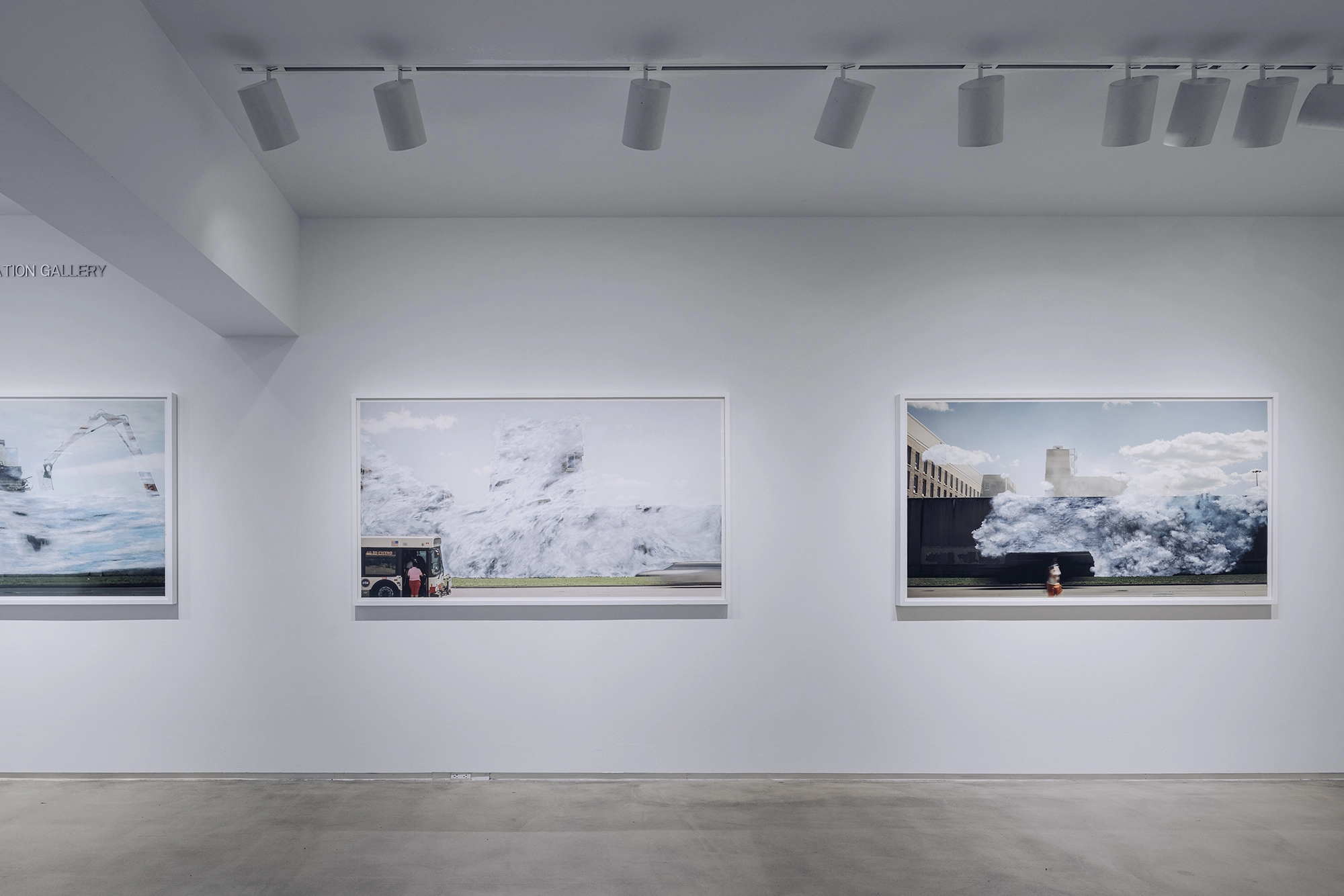
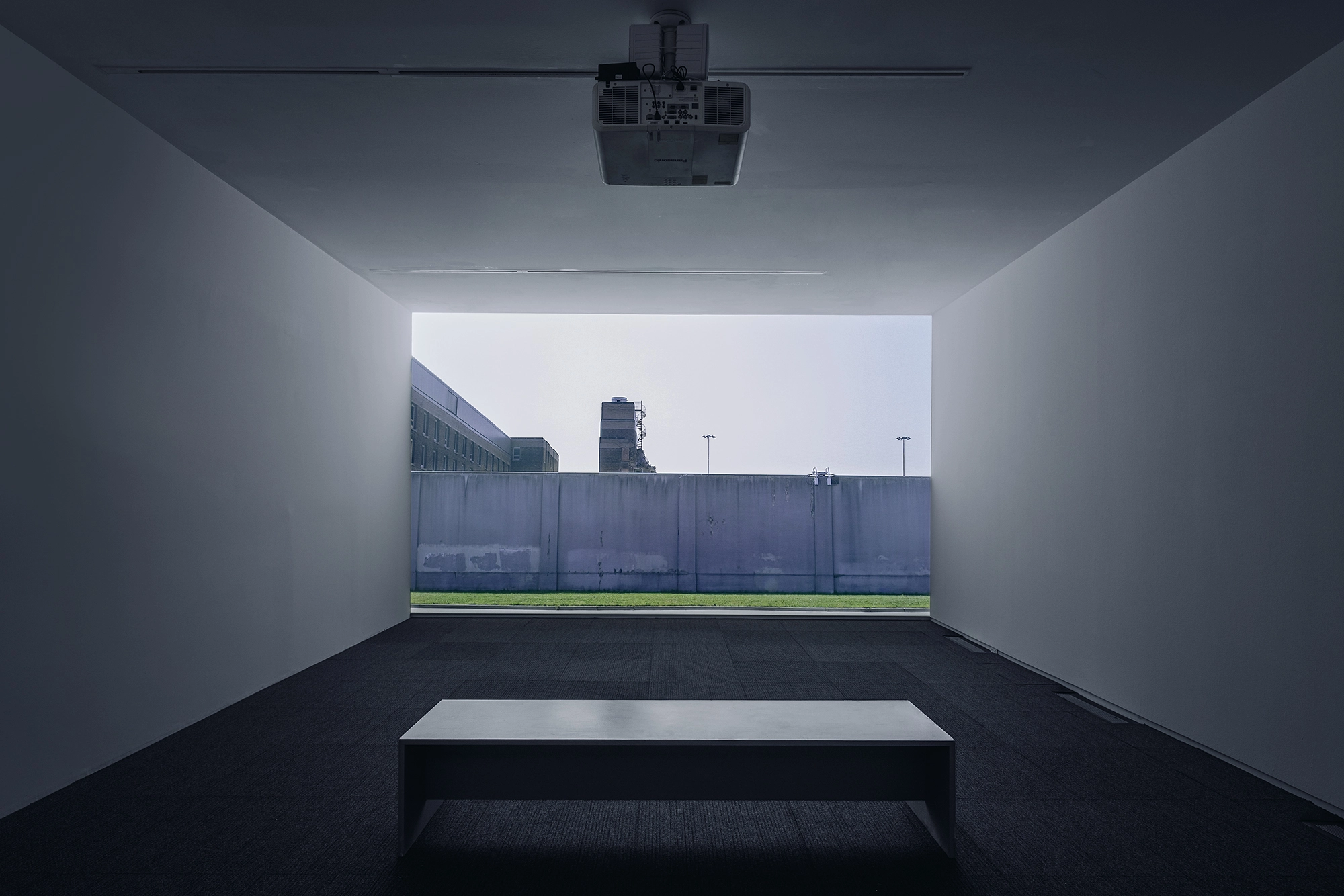
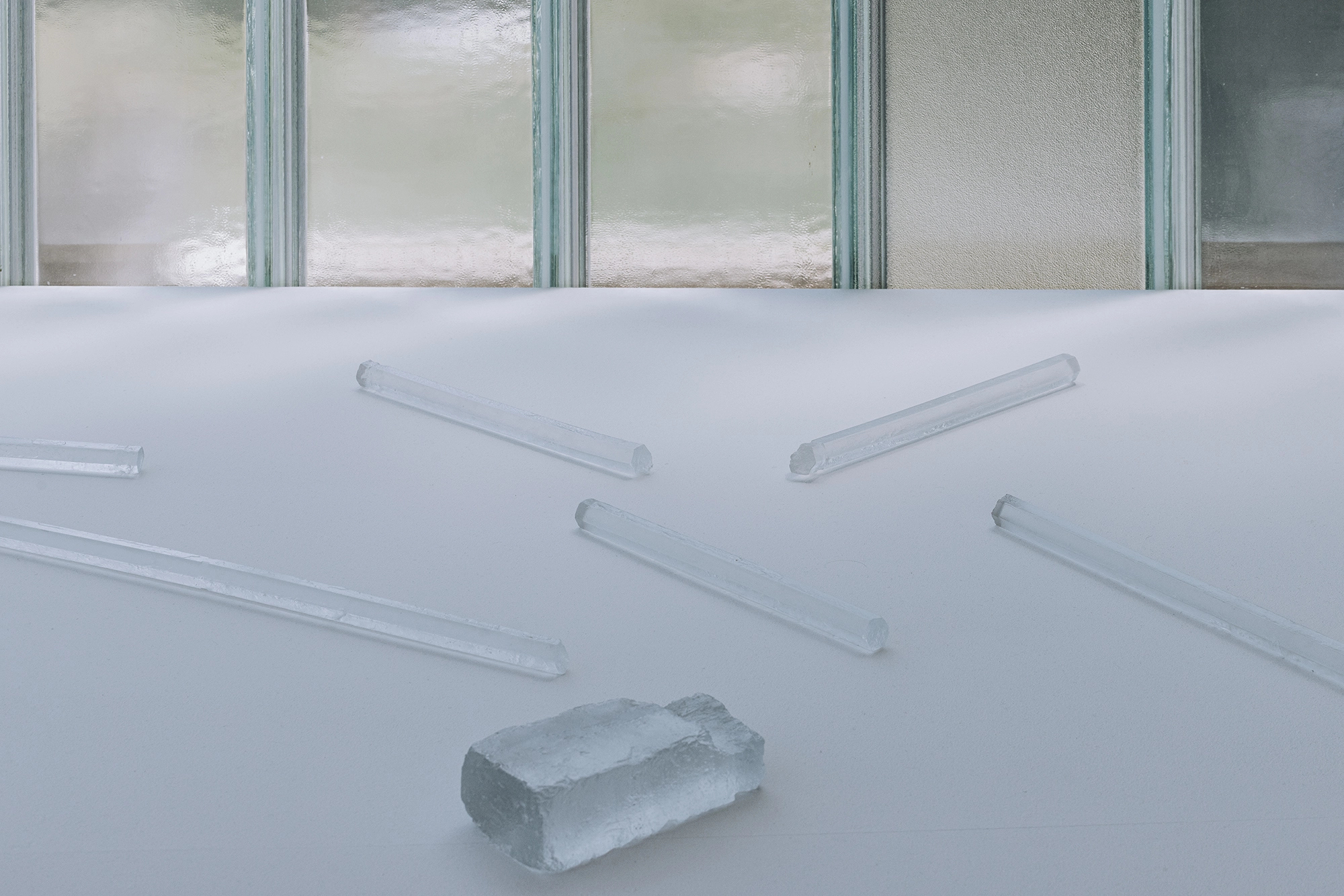
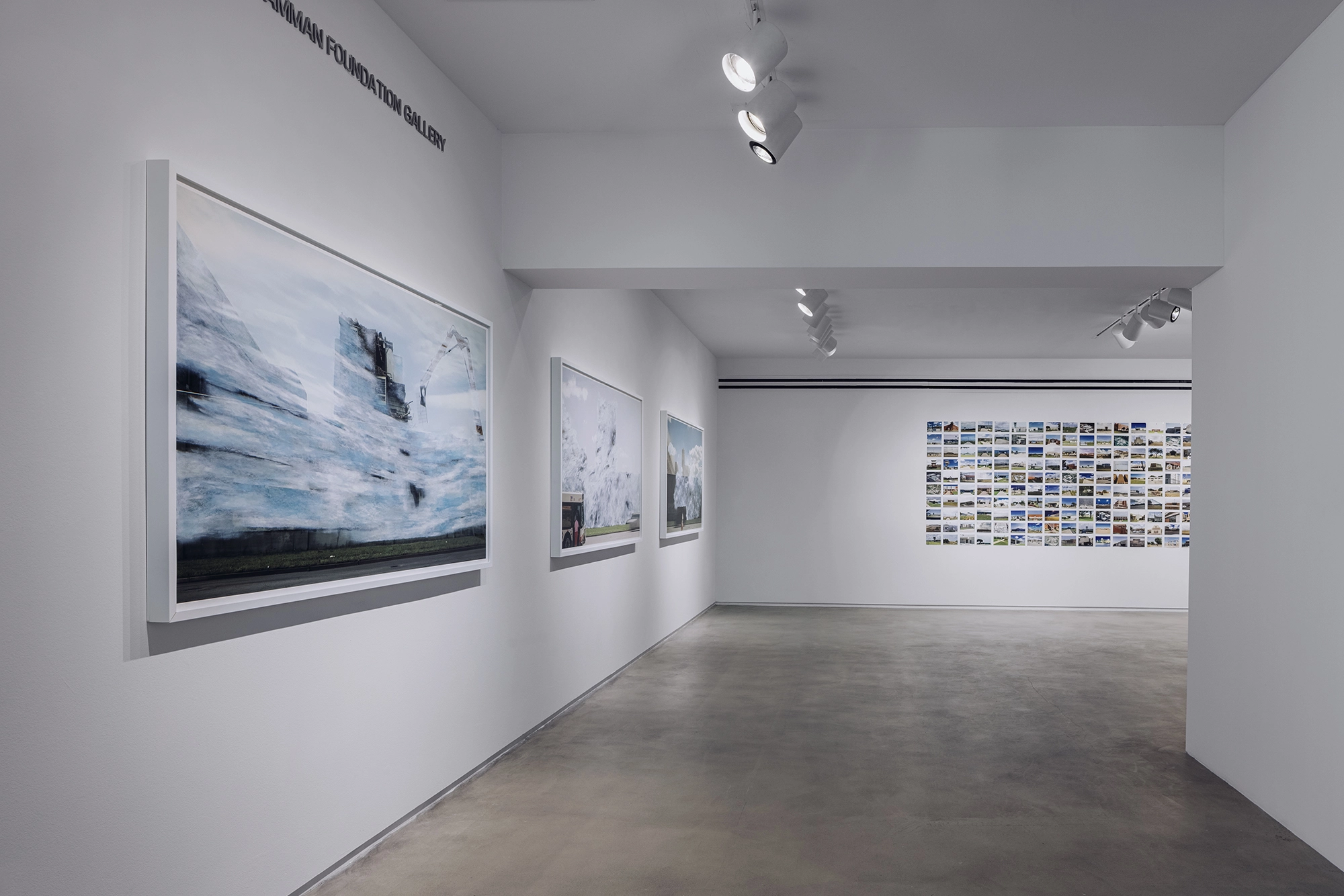
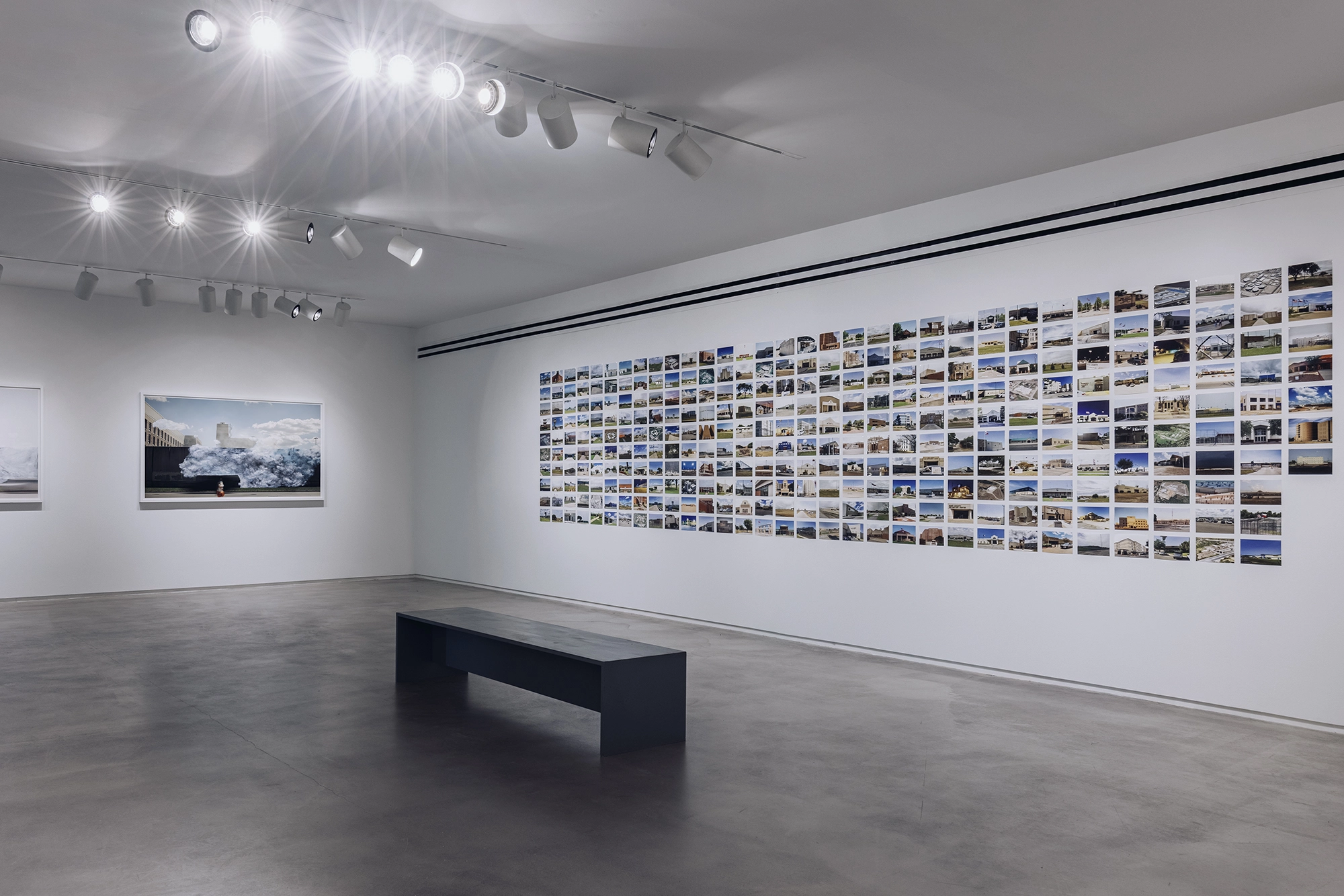
Among works included in the exhibition are Clamour, a 60+ hour video documenting the demolition of one of Cook County Correctional Facility’s housing blocks, from start to finish. Tumbling (2023), a series of photographs also on view, pictures isolated remnants from that same demolition. Bars salvaged from the jail’s cells also reappear in a sonic sculpture designed by Gaspar, which will be activated in the performance We Lit the Fire and Trusted the Heat (after Angela Davis) (2025). The exhibition will also include a newly commissioned work from Gaspar’s ongoing series Disappearance Jail (2021-ongoing), which documents carceral institutions across the United States through postcards. In a special activation, members of the Blaffer Museum's communities will be invited to punch holes in each postcard, a way of visualizing the disappearance of carceral spaces as we know them. Through this work, Gaspar connects histories across the country and invites visitors into solidarity and conversation.
About the Artist
Maria Gaspar is a Chicago-born, first-generation, interdisciplinary artist negotiating the politics of location through installation, sculpture, sound, and performance. For the past decade, Gaspar has been recognized nationally for her multi-year projects that attempt to dismantle borders, transcend penal matter, and turn places of precarity into places of possibility. Formative works like “Radioactive: Stories from Beyond the Wall” and the “96 Acres Project” include site interventions at the largest single-site jail in the country, the Cook County Department of Corrections, in her childhood neighborhood.
Gaspar has received the Guggenheim Award for Creative Arts, the Latinx Artist Fellowship, the United States Artists Fellowship, the 3Arts Next Level Award, the Frieze Impact Prize, the Sor Juana Women of Achievement Award in Art and Activism from the National Museum of Mexican Art, and the Chamberlain Award for Social Practice from the Headlands Center for the Arts. Gaspar’s projects have been supported by the Art for Justice Fund, the Graham Foundation for Advanced Studies in the Fine Arts, the Robert Rauschenberg Artist as Activist Fellowship, the Creative Capital Award, the Joan Mitchell Emerging Artist Grant, and the Art Matters Foundation. Gaspar has lectured and exhibited extensively at venues including MoMA PS1 and El Museo Del Barrio in New York, NY; the Contemporary Arts Museum, Houston, TX; the Institute of the Arts and Sciences, Santa Cruz, CA; the African American Museum, Philadelphia, PA; the Pérez Art Museum in Miami, FL; and SOMA, Mexico City, Mexico.
Gaspar received her BFA in Painting from Pratt Institute in Brooklyn, NY, and her MFA in Studio Arts from the University of Illinois at Chicago. She is Professor at the School of the Art Institute of Chicago.
Exhibition Images



Events
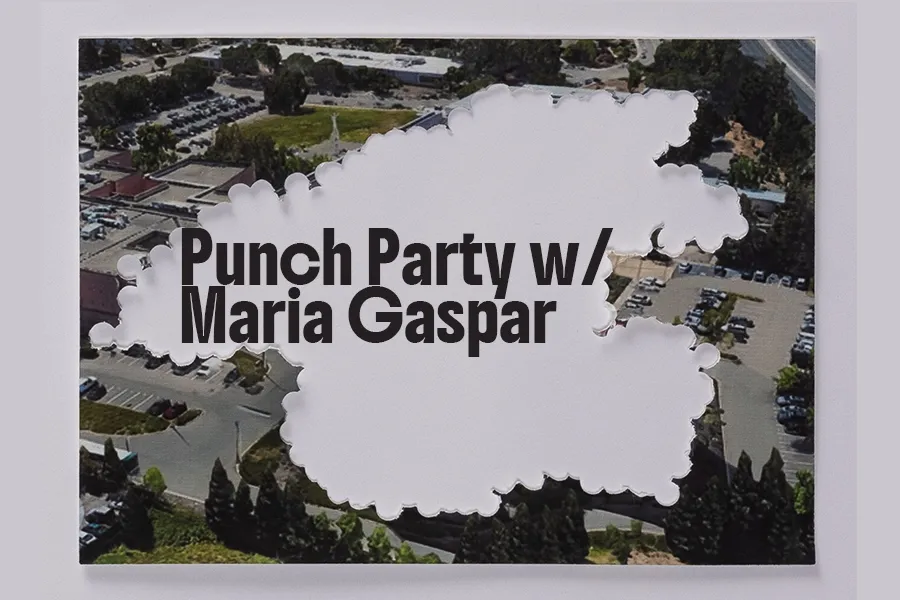
Punch Party with Maria Gaspar
Saturday, October 3 | 2pm-4pm
Join Chicago-based artist Maria Gaspar in a workshop and conversation to consider the ways in which we practice freedom. Gaspar’s Punch Parties, which she has led in several states, engage with her Disappearance Jail archive. Since 2021, Gaspar has been collecting images of jails, prisons, and detention centers across the U.S. Workshop participants engage in a conversation about abolition and carceral systems, while punching holes in the images Gaspar has collected of Texas prisons. The act of hole-punching “disappears” the images of the facilities, offering new vistas and different landscapes beyond their walls. An abolitionist punch recipe created by New Orleans-based artist jackie summel and sourced directly from her Solitary Gardens will be served. Come enjoy and participate in this unique collaborative work!
The workshop is free and open to the public, but spots are limited. Please RSVP. All ages welcome, with supervision. All backgrounds and abilities are welcome.
Exhibition Brochure
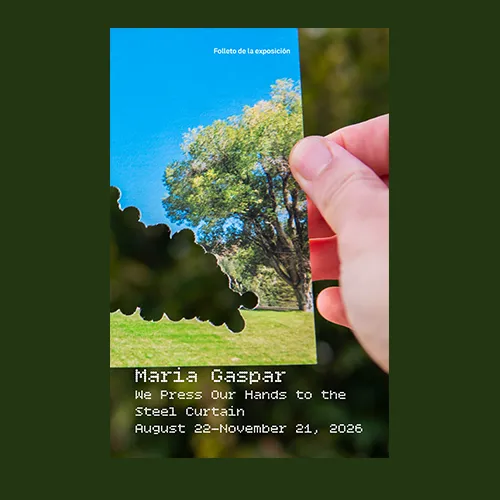
We Press Our Hands to the Steel Curtain | Exhibition Brochure
published by Blaffer Art Museum
Remnants of ideology, markers of absence, and the ephemerality of revolution are embedded in recognizable sites of memory, power, and public space around us. Locating these layered and often obscured traces of political presence, multidisciplinary artist Reynier Leyva Novo excavates – and elevates – historical archives and imagery into today. In so doing, he deepens conversations surrounding the space, memory, and narratives of the past made manifest in the present and future. Former Present Today is the first solo museum exhibition in Texas for the Cuban conceptual artist and reflects upon re-imagined space, public monuments, and collective memory in nationalist ideology and the failed journey to social utopia.
Relocating from Havana to Houston in 2021, Novo combines research and observation into the icons of memorialization to present perspectives across a multitude of global political contexts. This process underscores power within artistic practice to challenge prevailing narratives, confront historical truths, and deconstruct myths. The artist simultaneously reveals and conceals structures, emblems, and figureheads entrenched in the public imaginary to propose alternative forms of memory-keeping in whispers, traces, and fleeting remains of life. Across large-scale sculptural installation to the subtle delicacy of a flower, Novo creates powerful interventionist responses to spaces of monumentality to consider the complexity of political landscapes and unseen dimensions that shape our collective memory and present reality.